

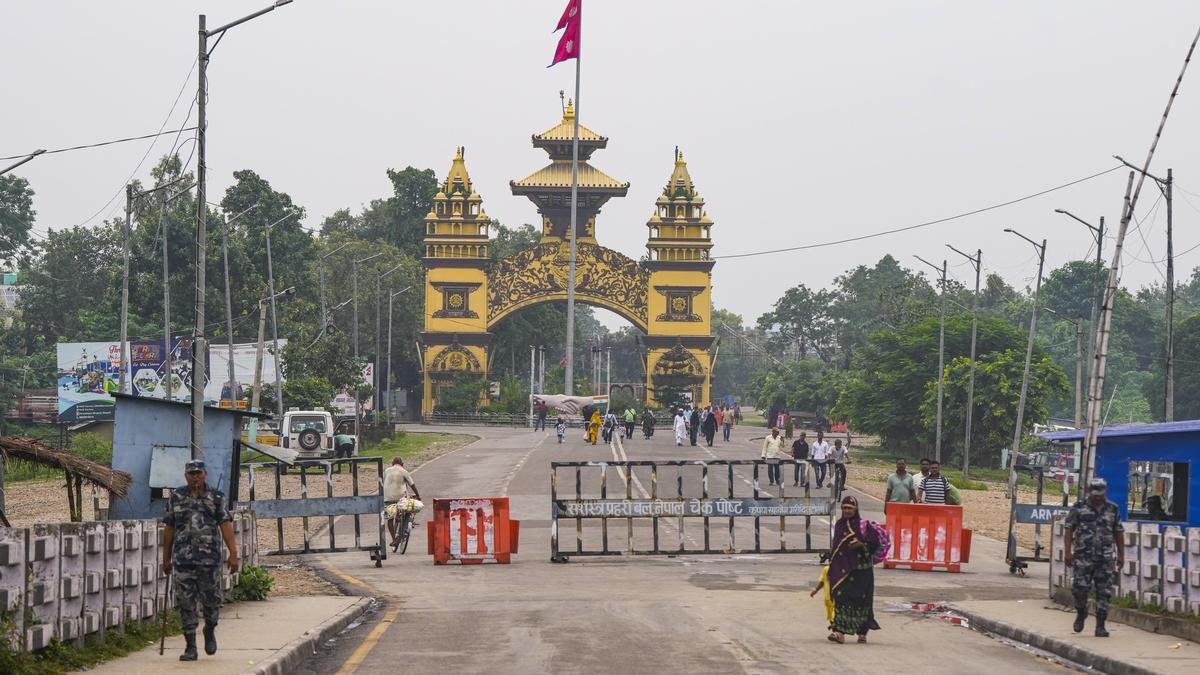
Nepal’s Recent Elections: A Political Earthquake
The recent elections in Nepal have been described as a seismic shift in the political landscape, marking a significant departure from the status quo. This election is notable for the rejection of long-standing leaders and established parties, dominated by older figures for decades. The emergence of a younger generation of professionals and tech-savvy individuals, buoyed by the activism of Gen Z, signals a changing tide in Nepal’s governance.
Rise of the Rastriya Swatantra Party
The Nepali electorate has bestowed a considerable mandate upon the Rastriya Swatantra Party (RSP), led by former Kathmandu Mayor Balendra Shah, affectionately known as “Balen.” With a commanding two-thirds majority, this new political force is poised for transformative governance in Nepal. However, such an opportunity comes with immense responsibility to meet the high expectations set by the electorate.
Expectations for Change
The victory not only represents a change in leadership but also a demand for increased transparency, accountability, and responsiveness. Voters are looking for urgent solutions to pressing issues such as youth unemployment, rampant corruption, and poor governance. Millions of Nepalis are seeking better opportunities at home rather than migrating abroad, and this administration is expected to reverse that trend.
The Challenge Ahead
While the rejection of the old political guard is a clear message from the electorate, it is essential to note that this does not necessarily indicate a robust new agenda for reform. Voters expressed their desire for change; however, the specifics of what that change entails have not been clearly articulated. As the saying goes, “everyone wants a revolution, but no one wants to do the dishes.” The transition from aspiration to accountability will prove to be the real challenge.
Warnings from the Caretaker Leadership
Even prior to the elections, the caretaker Prime Minister Sushila Karki highlighted the challenges that lie ahead. She pointed out that the violent protests witnessed in September 2025 could foreshadow a growing impatience among the populace with the new government’s capabilities. The excitement of the election can quickly turn to disillusionment if the expected reforms do not materialize swiftly.
A Time for Reimagination
India and Nepal share a long and intricate relationship, characterized by cultural, economic, and political ties. As both nations navigate this new political arrangement in Nepal, it’s critical to rethink and repurpose this age-old relationship. The geopolitical and geo-economic landscapes have drastically changed since the British colonial era, necessitating a fresh perspective.
Conclusion
The emerging leadership in Nepal is undoubtedly at a historical juncture, with the potential to redefine the nation’s political trajectory. As the young leaders step into power, their ability to address the aspirations of a hopeful populace will determine the success of this transformative moment. The next few years will be crucial, not just for Nepal but for its relationship with key partners like India, as both countries look to enhance cooperation in an evolving global context.









Leave a Reply