

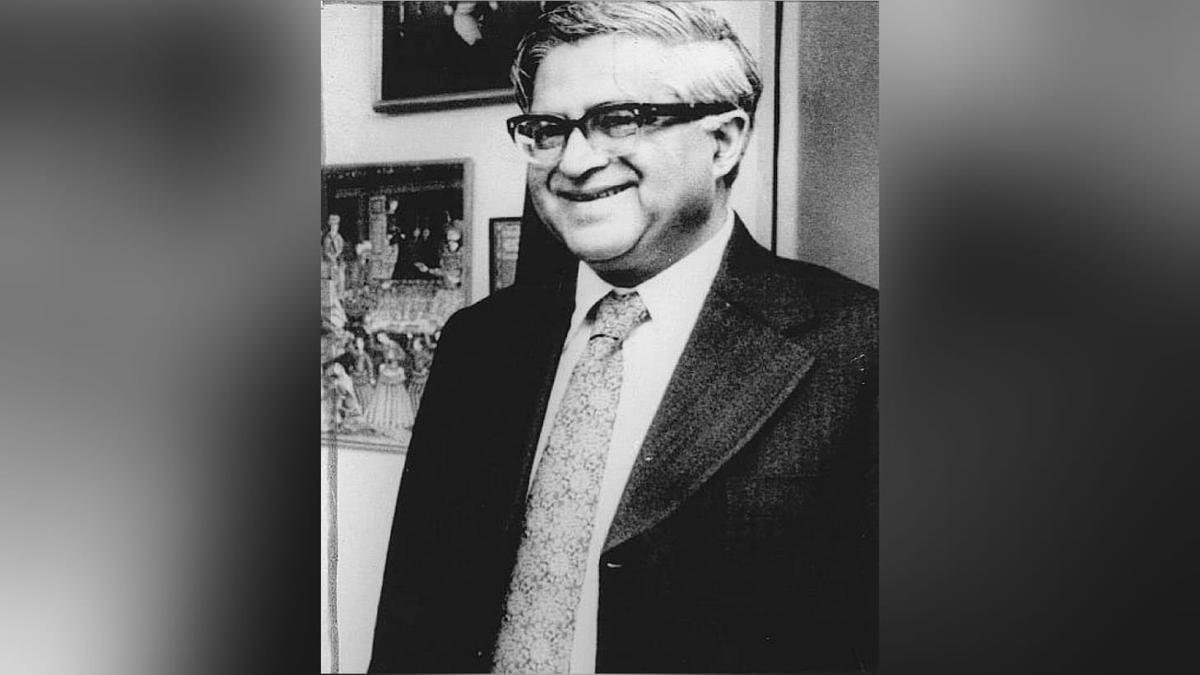
An Overview of Eric Gonsalves’ Legacy
Eric Gonsalves, who passed away on March 22, 2026, at the age of 97 in Bengaluru, was a prominent figure in Indian diplomacy. As one of the first diplomats of India, he played a pivotal role in shaping the foreign service rules that are still in use today. His life and career were marked by significant contributions to India’s foreign relations, especially during critical historical moments.
Early Life and Entry into the Indian Foreign Service
Born in May 1928, Eric Gonsalves joined the Indian Foreign Service shortly after its inception. He successfully cleared the competitive examination on May 24, 1950, and underwent probationary training until March 1953. His first major assignment involved overseeing the repatriation of prisoners of war from the Korean War, demonstrating his commitment to international diplomacy from the start.
Challenges During the Cold War
Gonsalves served as Vice Consul in New York from March 1954 to August 1955 amidst the tense atmosphere of the Cold War, characterized by McCarthyism. His experiences during this period significantly shaped his understanding of global politics, as he dealt with the complexities of international relations.
Drafting the Foreign Service Rules
From 1958 to 1961, Gonsalves held the position of Deputy Secretary of the Establishment Division of the Ministry of External Affairs (MEA). During this time, he was instrumental in drafting the Indian Foreign Service PLCA (Pay, Leave, and Compensatory Allowances) Rules of 1961. This foundational document continues to guide the financial and operational framework for Indian diplomats today, serving as a testament to his careful planning and institutional knowledge.
Key Role in Reviving India-U.S. Relations
One of the highlights of Gonsalves’ diplomatic career came during the challenging period following the 1971 India-Pakistan war. After Prime Minister Indira Gandhi’s unsatisfactory meeting with U.S. President Richard Nixon, the relationship between India and the U.S. suffered significantly. In 1972, Gonsalves was appointed as the Minister (Political) at the Indian Embassy in Washington, D.C., where he began back-channel communications with key U.S. officials.
Back-Channel Diplomacy in Action
During the years 1972-1974, Gonsalves navigated the complex diplomatic landscape by meeting U.S. officials like Vernon A. Walters, then Deputy Director of the Central Intelligence Agency. These informal discussions, often held in coffee shops, were crucial in keeping the lines of communication open between the two nations, even as political relations were strained.
A Lifelong Commitment to Diplomacy
Gonsalves’ career was marked by key postings in various countries, including Myanmar, where he served as a First Secretary of the Indian Embassy from 1962 to 1964. His breadth of experience equipped him with insights that proved invaluable to Indian foreign policy.
Conclusion: A Lasting Impact on Indian Diplomacy
Eric Gonsalves leaves behind a rich legacy as one of the architects of Indian diplomacy. His contributions, from drafting vital foreign service rules to reviving tense international relations, have solidified his place in India’s diplomatic history. As the nation reflects on his remarkable journey, it is clear that Gonsalves’ work will continue to influence Indian foreign relations for generations to come.








Leave a Reply