

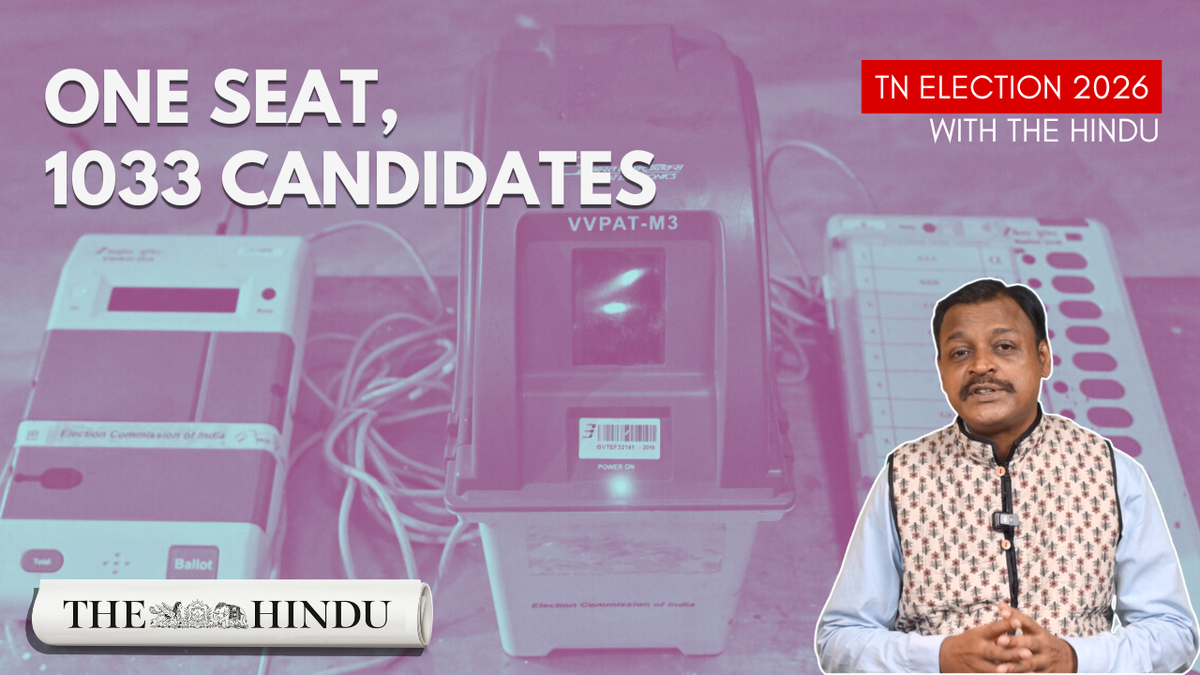
Introduction to the 1996 Tamil Nadu Elections
The Indian electoral system is known for its diversity and scale, but the 1996 Tamil Nadu assembly elections introduced a new level of complexity. In one particular constituency, voters were met with an astonishing ballot featuring 1,033 candidates. This unique scenario not only highlighted the issues of voter choice but also the challenges of democratic procedures in India.
A Unique Voting Experience
In today’s voting landscape, casting a vote is a straightforward process. Voters stroll into polling booths, press a button on an Electronic Voting Machine (EVM), and within seconds, their votes are recorded. However, back in 1996, the process was anything but simple for constituents in Tamil Nadu.
Voters had to navigate through a lengthy booklet, spanning over 60 pages, to locate their preferred candidate. The sheer number of candidates posed a substantial challenge for both the voters and the election officials, making the voting experience far more taxing.
The Implications of 1,033 Candidates
Having 1,033 candidates in a single election might sound absurd, but it served as a stark indicator of the democratic fervor in the region. Many candidates represented various political parties, while others were independent hopefuls who believed they could sway voter sentiment.
This unique political scenario sparked numerous discussions regarding the effectiveness of democracy in India. While it showcased the vibrant participation of candidates, it also raised questions about voter confusion and the potential for overwhelming ballots.
The Voter Experience
For voters, the challenge extended beyond just making a choice; it involved extensive research. Many voters consulted friends, family, and community leaders to better understand the candidates and their platforms. The lengthy ballot, filled with names, made it difficult for many to remember who stood for what.
This situation illustrates the need for better voter education and streamlined ballot processes. As the political landscape evolves, ensuring that voters can make informed choices is essential for the health of democracy.
Reflection on Democratic Processes
The 1996 Tamil Nadu elections stand as a case study in the complexities of democratic participation. With such an overwhelming number of options, the election highlighted both the engagement of parties and the potential pitfalls of extreme candidate proliferation.
While the increase in candidates may reflect an energized electorate, it also serves as a reminder of the need for clear electoral guidelines to maintain an effective voting process. Balancing candidate availability with voter comprehension is pivotal for future elections, ensuring that all voices are heard while preventing unnecessary confusion.
Conclusion
The 1996 Tamil Nadu assembly elections, featuring 1,033 candidates, remain an extraordinary chapter in India’s electoral history. The challenges faced during this election showcase the delicate balance between democratic participation and voter ease. As India looks ahead to future elections, learning from historical precedent will be key to enhancing the electoral experience for all citizens.












Leave a Reply