

Introduction
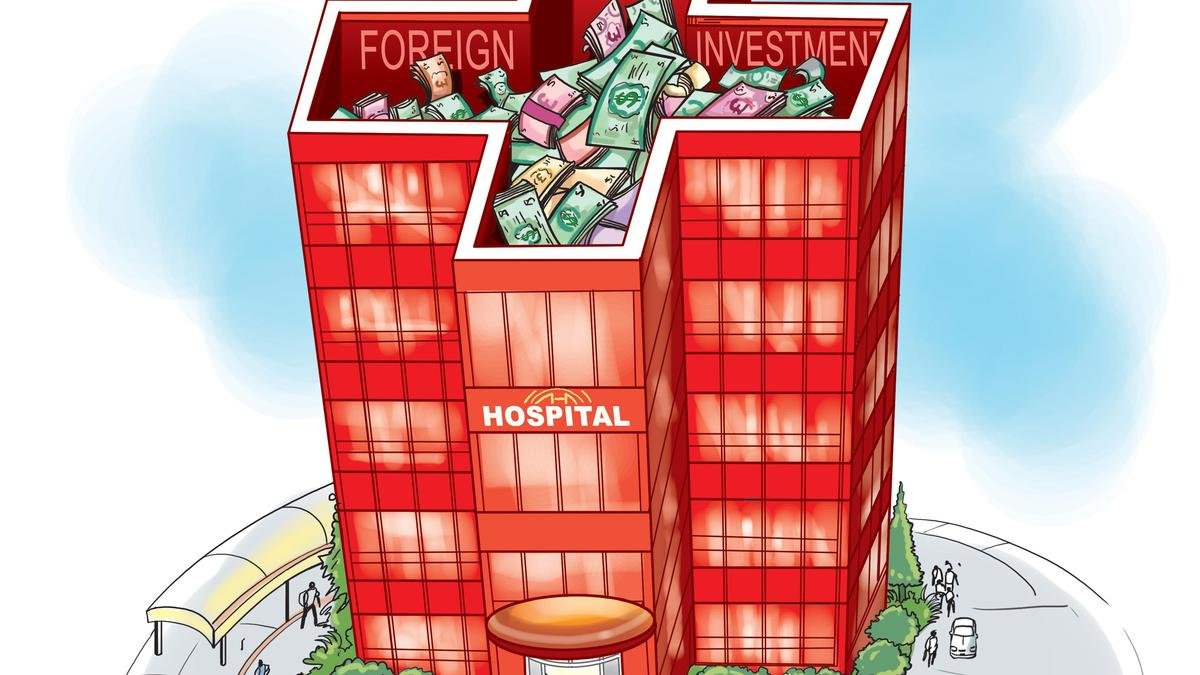
Kerala’s healthcare system, renowned for its achievements, is now grappling with rising costs, igniting concerns among residents. Recent investments by global private equity firms into the state’s private healthcare sector have led many to worry about the implications these changes may hold for the affordability of medical services.
The Private Healthcare Dilemma
Sunil Jose, a private-sector employee from Kozhikode, recently faced a shocking revelation when he sought treatment for his daughter at a corporate hospital. After a consultation, he was presented with a bill estimate of ₹10,000 for essential medical tests. In stark contrast, a visit to a cooperative healthcare facility yielded a bill of merely ₹1,000 for similar treatment. This incident highlights a disturbing trend where patients are increasingly dependent on private hospitals, often enduring exorbitant out-of-pocket expenses for even basic healthcare needs.
Investment Surge: What It Means for Patients
The influx of foreign capital into Kerala’s private hospitals has raised critical questions about the future of healthcare in the state. Several notable investments have been made, such as Bentley Asia Holdings II’s recent stake acquisition in Baby Memorial Hospital in Kozhikode, backed by U.S.-based private equity firm Kohlberg Kravis Roberts & Co. (KKR). Also notable is KKR’s previous investment of ₹2,500 crore to secure a 70% stake in Baby Memorial.
Changes in the Healthcare Landscape
Small private hospitals, traditionally viewed as affordable options, are closing down or reducing their services, especially in rural areas. This trend poses a significant challenge for many families who rely on low-cost treatment options. As premium healthcare services proliferate, the growing divide between the cost of care provided by corporate entities and that offered by smaller institutions is becoming increasingly evident.
Regulatory Changes and New Acquisitions
On March 17, 2026, the Competition Commission of India (CCI) approved various acquisitions that reflect the ongoing consolidation in Kerala’s healthcare market. The approval of Baby Memorial Hospital’s acquisition of shares in Unimed Health Care Pvt. Ltd. indicates a strategic move towards expanding their service capacity. Additionally, the acquisition of Meitra Hospital by Baby Memorial exemplifies a trend of larger corporate hospitals absorbing smaller healthcare providers, further complicating the patient landscape.
The Role of Global Equity Firms
With firms like KKR heavily investing in Kerala’s healthcare, the fear among locals revolves around the potential for increased service costs. While these investments may modernize facilities and improve service quality, they often prioritize profit margins over patient care affordability. The introduction of profit-driven models could adversely affect the patient’s experiences and access to essential health services.
Conclusion: A Call to Action
As healthcare costs climb in Kerala, residents find themselves in a precarious situation. The dream of affordable healthcare appears threatened by the influx of foreign investments that prioritize profit above patient welfare. It’s vital for policymakers to ensure a balance between attracting investment and maintaining the essence of Kerala’s renowned healthcare model, which has always prioritized accessibility and affordability.
Looking Ahead
The future of healthcare in Kerala hinges on finding a sustainable path forward. Engaging with local stakeholders, healthcare professionals, and the community is paramount in addressing the emerging challenges and securing a healthcare system that benefits all segments of society. As the landscape evolves, the hope remains that Kerala can adapt without compromising the quality and affordability of care that its citizens expect and deserve.










Leave a Reply