

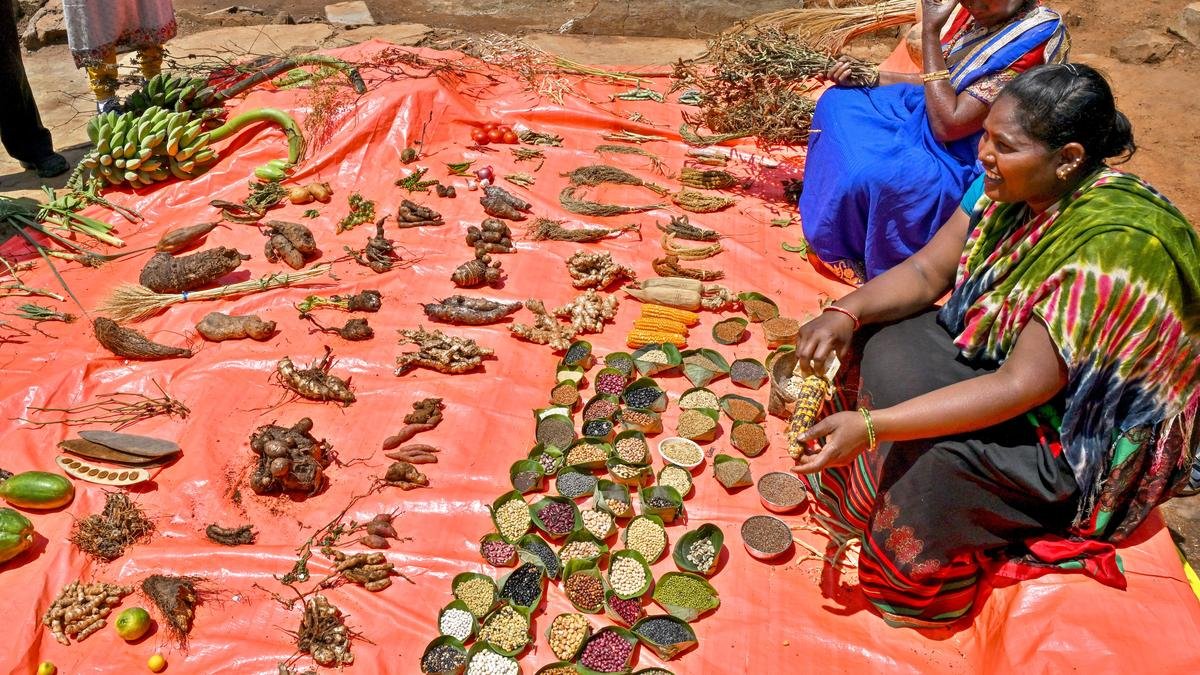
Introduction to Indigenous Seed Conservation
In the serene hills of Gasaba village in Andhra Pradesh’s Eastern Ghats, a significant shift is taking place. A grassroots network of farmers is diligently working to conserve indigenous seed varieties, reshaping the landscape of agriculture and food security in the region.
A Patch of Hope in the Eastern Ghats
The mornings in Gasaba are tranquil, with the sun illuminating the lush greenery around. A dedicated group, including Bujjamma, a local seed saver, bends over thriving crops, diligently sorting and selecting plants destined for future seed stock. This process reflects a deep-rooted commitment to traditional farming methods that prioritize sustainable practices.
The Role of Local Farmers in Seed Preservation
Seed saving has become a pivotal activity in Gasaba. Farmers like Bujjamma not only cultivate these indigenous crops but also serve as the caretakers of a rich agricultural heritage. Their homes, modest yet filled with packets of heirloom seeds, symbolize a community’s efforts to maintain biodiversity.
A Unique Seed Multiplication Site
Just a short distance from Bujjamma’s garden lies a collective seed multiplication site. Here, various farmers collaborate to regenerate native seed varieties before distributing them across 18 nearby villages. This initiative strengthens community ties and ensures the availability of resilient crop varieties.
The Diversity of Indigenous Crops
The crops in this region do not exhibit the uniformity often seen in commercial farming. Instead, bottle gourd vines intertwine with tomato plants bearing diverse fruits, while millets flourish alongside local greens. This rich agricultural tapestry tells a story of adaptation and resilience, essential for coping with varying climatic conditions.
The Benefits of Indigenous Seeds
Native seed varieties offer several advantages over commercial hybrids. They are better suited to local climates, can withstand harsher weather conditions, and often require fewer resources. Farmers are beginning to recognize the value of these heirloom varieties, which not only promise food security but also preserve traditional farming practices.
A Community Driven Movement
At the heart of this movement is Pangi Sunkri, a prominent seed saver who has been awarded the national Plant Genome Saviour Community Award. Her passion for indigenous seeds exemplifies the dedication seen within the community to embrace and promote traditional farming methods.
The Road Ahead for Indigenous Seeds in Andhra Pradesh
This grassroots initiative represents a larger trend of returning to indigenous seeds, which is gaining momentum throughout India. As awareness grows about the benefits of sustainable agriculture, more farmers are likely to join this movement, leading to a healthier ecosystem and improved livelihoods.
Conclusion: A Sustainable Future
As Gasaba village becomes a beacon of hope for biodiversity and sustainable agriculture, it illustrates the potential of indigenous seed conservation. The efforts of local farmers not only promise to provide food security but also contribute to the preservation of cultural heritage and agricultural practices, ensuring a sustainable future for generations to come.











Leave a Reply