

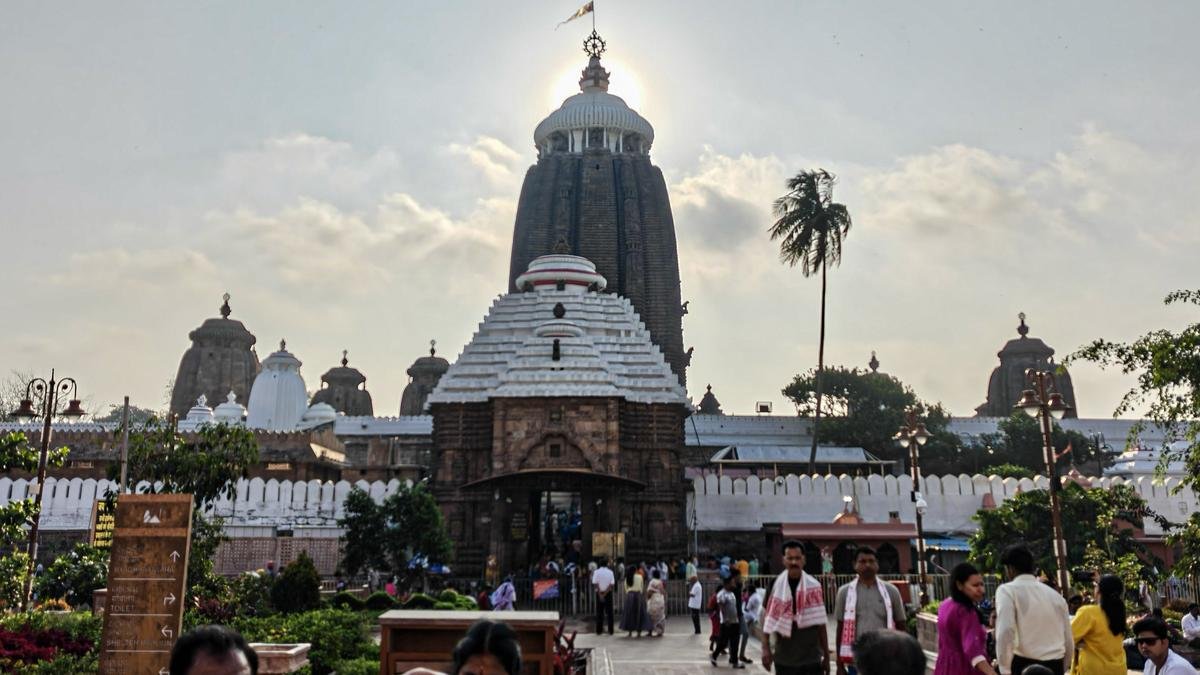
Liquor Sales Prohibited Around Sacred Site
In a significant move to preserve the sanctity of religious spaces, the Odisha Government has announced that liquor will no longer be served near the iconic Shree Jagannath Temple in Puri. This decision follows the unveiling of the new liquor policy on March 26, 2026, and specifically targets the areas adjacent to the temple and the Grand Road, a major thoroughfare during the revered Rath Yatra festival.
Home Delivery and New Shops Forbidden
The new excise policy explicitly prohibits the operation of any liquor counters around the 12th Century temple, as well as home delivery services for liquor in the vicinity. This policy is aimed at maintaining the spiritual environment that Puri represents, a site of immense cultural and religious significance for Hindus across India.
Policy Duration and Context
The new regulations are set to come into effect on April 1, 2026, and will remain in place until March 31, 2029, or until a new policy is enacted. Puri, known for its majestic temple and beautiful beaches, also stands as a prominent tourist destination, contributing significantly to the local economy.
Beach Shacks Allowed to Operate
While liquor sales around the temple have been restricted, the government recognizes the importance of tourism for the state. To boost this sector, beach shacks have been permitted, although they cannot operate within the jurisdiction of the Puri Municipality. These establishments can serve liquor with prior approval from the Tourism Department, which will regulate the licensing and operational periods based on climatic conditions.
De-addiction Cess Introduced
In an effort to promote responsible drinking, the new policy includes a 0.5% de-addiction cess on all alcoholic beverages sold through the Odisha State Beverages Corporation Limited. Retailers will be responsible for collecting this charge, which will be applied to the sale price of alcoholic items, thereby contributing to public health initiatives.
Restrictions on ‘ON’ Shops
The policy also places restrictions on ‘ON’ shops, which are licensed outlets for liquor sales. No new foreign liquor shops will be sanctioned in rural areas unless they are part of three-star hotels or clubs situated in industrial zones. Additionally, dance performances within these establishments will not be permitted, although live musical performances can occur with appropriate permissions.
Economic Context of the New Policy
The evolving landscape of Odisha’s excise revenue reflects the growing market for alcoholic beverages. From a modest ₹135.35 crore in 2000-01, the revenue surged to ₹11,429 crore in the fiscal year 2024-25. The introduction of such a thoughtful and balanced policy aims not just at revenue generation but also at the ethical management of alcohol consumption.
Conclusion
The Odisha Government’s latest policy demonstrates a commitment to balancing cultural values with economic growth. By restricting liquor sales around the Shree Jagannath Temple and introducing measures aimed at promoting responsible consumption, authorities hope to enhance both the spiritual ambiance of this historic site and the overall well-being of its visitors and residents.







Leave a Reply