

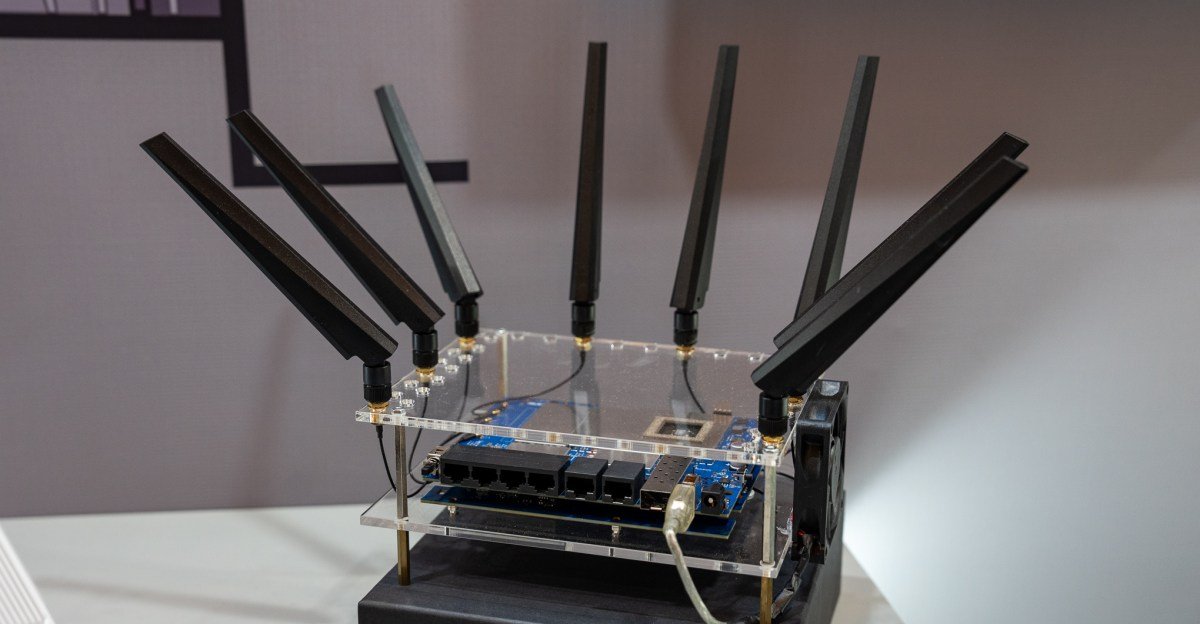
The tech world never stands still, and this week, a major development from Washington D.C. is set to ripple through countless homes and businesses across America. If you’ve recently upgraded your home Wi-Fi or are planning to, you might want to pay close attention. The Federal Communications Commission (FCC) has just made a monumental decision, extending a ban previously placed on foreign-made drones to include consumer networking gear. That’s right, your next router might look very different.
What’s the Big Deal?
In December, the FCC raised eyebrows by banning future imports of drones manufactured in foreign countries, citing national security concerns. Now, they’ve done an encore, applying the exact same rationale and restriction to consumer routers and other networking equipment. The move is designed to safeguard American networks from potential espionage and cyber threats, specifically targeting hardware that could harbor malicious backdoors or vulnerabilities.
The core argument from the US government is straightforward: foreign-made routers, particularly those from countries deemed adversarial, pose a national security risk. These devices, which are the gateways to our digital lives, could potentially be exploited to surveil data, disrupt communications, or even launch cyberattacks.
The Scope of the Ban: More Than Just Routers
While routers are the headline, this ban extends to a broader category of consumer networking gear. Think about modems, Wi-Fi extenders, mesh networking systems, and potentially other devices that connect your home or office to the internet. This isn’t just a minor tweak; it’s a fundamental shift in how these critical pieces of infrastructure will be sourced and supplied in the United States.
Why Now? Unpacking the National Security Concerns
The timing of this ban isn’t arbitrary. It comes amidst escalating geopolitical tensions and a heightened focus on supply chain security. The US has been increasingly wary of hardware manufactured by companies tied to certain foreign governments, particularly China, fearing that these nations could compel companies to embed surveillance capabilities or create backdoors for intelligence gathering.
The concern isn’t just theoretical. Past incidents and ongoing debates about the security of telecommunications infrastructure have fueled this proactive stance. The government argues that by preventing the import of potentially compromised equipment, they are taking a vital step in protecting sensitive data and critical infrastructure from foreign adversaries.
What Does This Mean For You, The Consumer?
This ban is likely to have several significant impacts on the average tech user:
- Limited Choice and Higher Prices: Many popular and affordable consumer networking brands (think TP-Link, D-Link, some Netgear and ASUS models) rely on overseas manufacturing, often in Asia. If these companies cannot secure exemptions or quickly move production, the market for consumer routers could shrink significantly. Less competition often translates to higher prices.
- Availability Issues: Expect potential disruptions in the supply chain as manufacturers scramble to adapt. We might see shortages of certain models or brands until new compliant products enter the market.
- The “Made in USA” Router?: It’s worth asking how many truly “Made in USA” consumer routers currently exist. This ban could spark a domestic manufacturing boom, but that takes time, investment, and a skilled workforce.
- Impact on Smart Homes: As smart home devices become increasingly integrated with our home networks, the security of the router becomes even more paramount. This ban could extend to or influence other smart home hubs and devices in the future.
Implications for Manufacturers and the Tech Industry
For global tech manufacturers, this FCC ruling is a seismic event:
- Rethink Supply Chains: Companies will be forced to either establish manufacturing facilities within the US (a costly and complex undertaking) or secure special exemptions from the FCC. This could lead to a significant reshuffling of global supply chains.
- Increased Compliance Burden: Navigating the exemption process will be a new, burdensome hurdle for companies. Expect legal battles and lobbying efforts to intensify.
- Innovation vs. Security: While the intent is security, some fear that restricting the market could stifle innovation, especially if smaller, agile foreign companies are locked out.
Broader Geopolitical Context: The Tech Cold War Intensifies
This move is part of a larger trend of technological ‘decoupling’ between the US and certain foreign powers, particularly China. We’ve seen similar actions in other sectors, from semiconductors to social media apps. The router ban signals a hardening of the US stance on critical technology infrastructure, viewing it through a national security lens rather than purely an economic one. It highlights a growing desire to build more resilient, secure, and domestically controlled supply chains for essential tech.
What’s Next?
The immediate future will involve manufacturers seeking clarity on the exemption process, assessing the feasibility of relocating production, and consumers grappling with potentially narrower choices. This ban raises crucial questions about the balance between national security, market competition, and consumer access to affordable technology.
As this story develops and its full impact unfolds, we’ll be here to break it down. Don’t miss out on important tech updates like this – be sure to Get your ENews directly in your inbox! What are your thoughts on this ban? Do you think it will make us safer, or just more inconvenienced? Let us know in the comments below.













Leave a Reply