

Introduction to the India-EU FTA
The recently concluded Free Trade Agreement (FTA) between India and the European Union is poised to transform the business landscape for German companies looking to expand into India. This agreement, finalized in January 2026, promises to create numerous opportunities, particularly in sectors where German firms excel.
German Ambassador’s Remarks
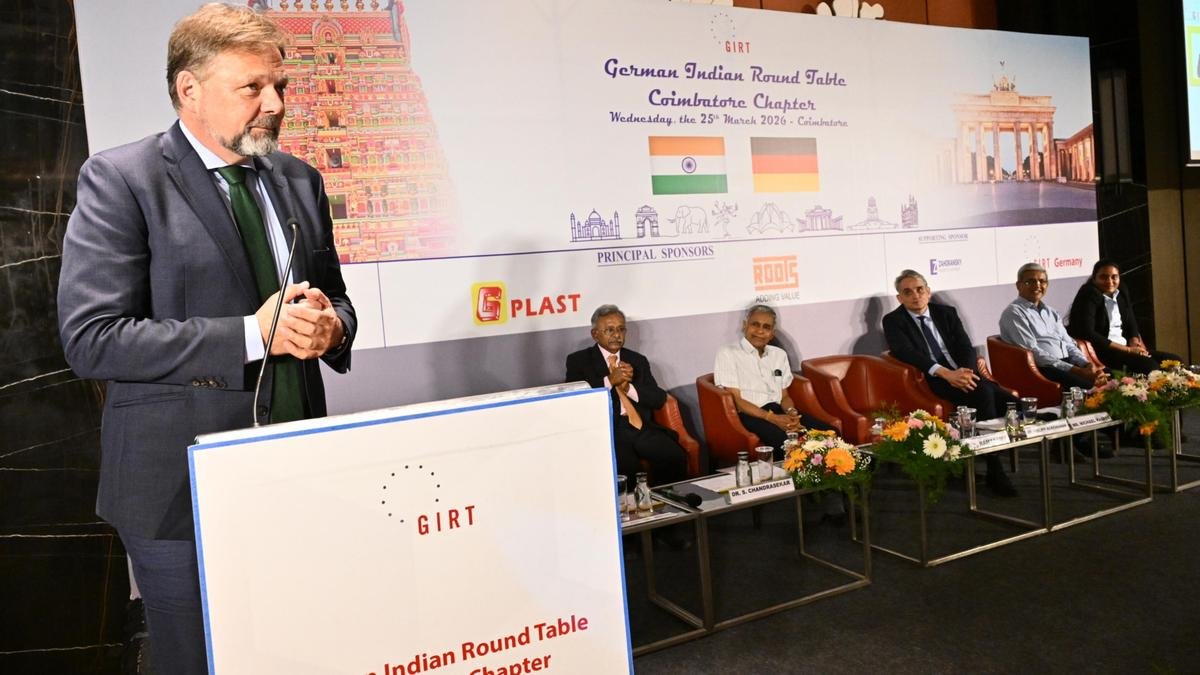
Philipp Ackermann, the German Ambassador to India and Bhutan, highlighted the potential impact of the FTA during a special meeting hosted by the Coimbatore chapter of the German Indian Round Table. Speaking to the media, Ackermann emphasized that many German businesses are expected to show increased interest in India once the FTA comes into full effect.
Expected Ratification Timeline
During his address, Ackermann expressed optimism that the FTA would gain ratification by the European Union by the end of 2026. This timeline is critical, as the formal implementation of the FTA is likely to facilitate smoother trade and investment channels between India and Germany.
Impact on Trade Relations
The FTA aims to eliminate tariffs and reduce trade barriers on a range of products and services. The elimination of these barriers could enhance Germany’s manufacturing and technology sectors, encouraging companies to set up operations in India or deepen their existing investments.
Potential Sectors for Growth
Key sectors such as automotive, machinery, chemicals, and renewable energy stand to benefit significantly from the FTA. German companies, known for their advanced technology and innovation, could find synergies with Indian industries eager to upskill and invest in new technologies.
Opportunities for Indian Businesses
On the flip side, Indian businesses could also take advantage of this agreement. The FTA is expected to provide easier access to European markets, especially for Indian goods and services in sectors like textiles, information technology, and pharmaceuticals.
The Bigger Picture
This development is part of India’s broader strategy to strengthen economic ties with Europe. By engaging in free trade agreements, India is looking to enhance its position as a global manufacturing hub and attract foreign investment.
Conclusion
The expected influx of German companies into India is a testament to the strengthening bilateral relationship between the two regions. As the FTA moves towards ratification, stakeholders on both sides are hopeful that this partnership will yield mutually beneficial results and pave the way for increased trade and investment.











Leave a Reply