

Importance of Vaccination in Public Health
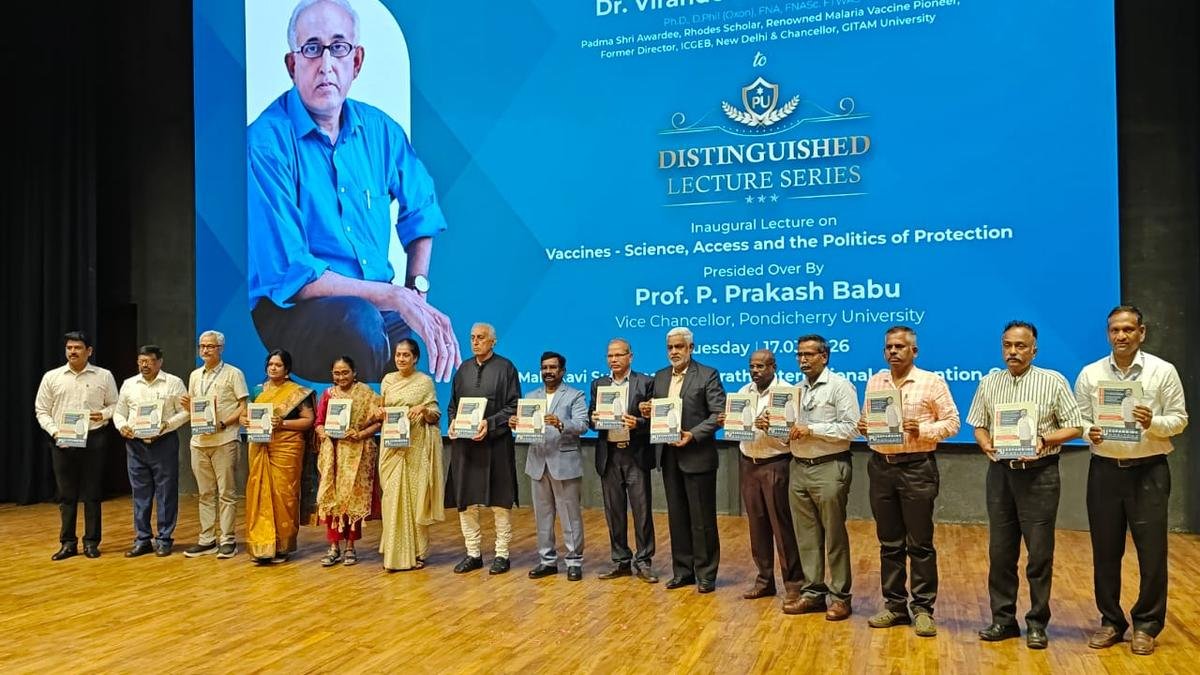
Puducherry, March 25, 2026 – In a thought-provoking lecture, vaccine scientist and former Chairman of the University Grants Commission, Virander Singh Chauhan, emphasized that the primary aim of vaccination policies should revolve around saving human lives. His remarks came during the launch of the ‘Pondicherry University Distinguished Lecture Series’, where he addressed critical issues concerning vaccine safety and public perception.
Addressing Vaccine Distrust
Dr. Chauhan pointed out the growing skepticism surrounding vaccine safety, which has been amplified by social media. This distrust has led to a stark division in societal views, highlighting a tension between individual liberties regarding bodily autonomy and the collective responsibility towards public health.
The Divergence of Perspectives
During his address titled ‘Vaccines: Science, Access, and the Politics of Protection’, Dr. Chauhan explored the complex relationship between individual rights and societal good. He acknowledged the ongoing debate among sociologists regarding this critical issue, suggesting that protecting the greater common good should take precedence.
Health Priorities in the Face of Misinformation
As misinformation continues to spread, the challenge lies in instilling public trust in vaccination programs. Dr. Chauhan argued that the conversation must shift from individual rights to the responsibility of safeguarding community health. Vaccination not only protects individuals but also creates herd immunity, which shields those who cannot be vaccinated.
Call for Stronger Vaccination Policies
Highlighting the significance of evidence-based decisions, Chauhan called for policymakers to prioritize public health initiatives that are accessible, equitable, and grounded in science. This approach will foster a better understanding of the benefits of vaccines and address the gap in vaccine acceptance.
Engaging the Community in Public Health Discussions
According to Dr. Chauhan, community engagement is essential in reshaping public attitudes towards vaccines. Incorporating local narratives and experiences can help bridge the gap between scientific data and public perception, ultimately leading to higher vaccination rates.
The Role of Scientists and Educators
The lecture underscored the responsibility of scientists and educators in communicating accurate information about vaccines. Dr. Chauhan advocates for proactive measures in educating the public, thereby empowering individuals to make informed health choices.
Conclusion: A Unified Approach to Vaccination
In conclusion, the insights shared by Dr. Chauhan during the inaugural lecture serve as a vital reminder of the need for an integrated approach to vaccination policy. By prioritizing the preservation of human lives, society can move toward a healthier future where vaccination is viewed as a critical component of public health.













Leave a Reply